
Budget briefing
Decisions delayed as economic challenges mount.
Wednesday 28 October 2026
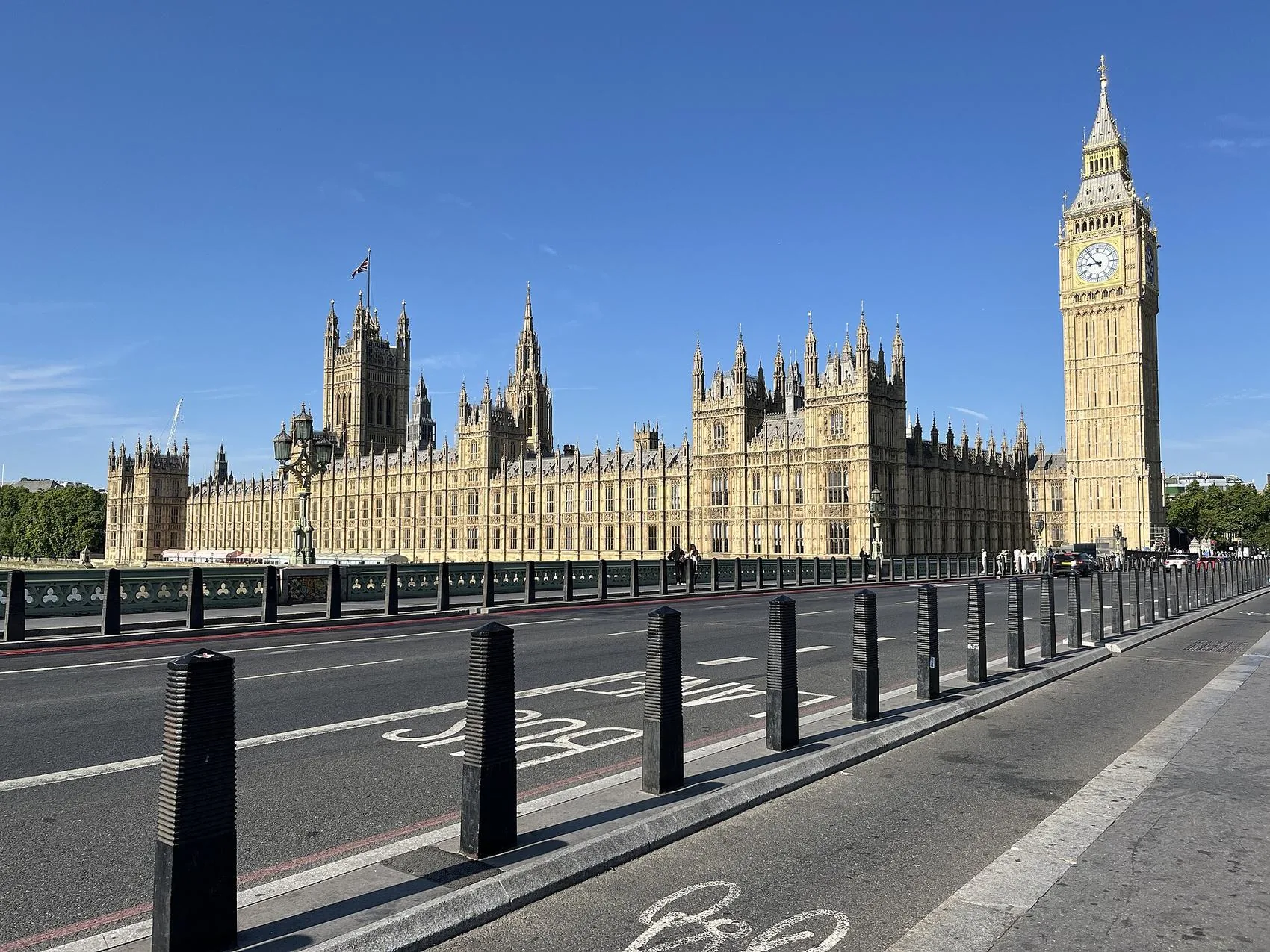
Photo: ThatsTheBoss, CC0 1.0
A plan ahead of a plan
A Budget that exposes the gap between the Prime Minister's optimism and the brutal fiscal reality facing the country.
Banks, landlords and gambling were the visible targets. Underneath the rhetoric sits harder HMRC compliance and payment rules, a rewrite of how company profits are extracted from April 2028, lower writing-down allowances and a new tax regime for sovereign investors, set against a narrow Founders' Relief.
Relief first, tax later
Exchequer effect of Budget policy decisions by fiscal year, £bn. Above the line raises revenue; below it costs money.
Source: Table 6.1, Budget 2026 policy decisions. Marker: 2029-30 is the year the OBR tests the fiscal rule.
1The politics: a Budget for the bond markets
Stability was the objective and it was achieved. The tax burden is where the supporters and the critics meet.
Just 101 days into the new government, John Healey's first Budget as Chancellor was designed to avoid trouble with the bond vigilantes. The Office for Budget Responsibility (OBR) puts headroom against the stability rule at £15bn in 2029-30, rising to £22bn in 2030-31, with a near-evens 56% chance of meeting the rule (down from 59% last time). The OBR expects debt interest to be £15bn higher than in March this year and the Budget document attributes the deterioration to the conflict in the Middle East.
There are 98 measures, none of which are large enough to start a fight in a Budget of front-loaded relief and back-loaded tax: policy decisions cost £7.6bn in 2026-27 and raise £7.4bn a year by 2031-32. The tax measures alone move from a £1.6bn net giveaway this year to about £5.6bn a year by 2029-30 and £7bn by 2031-32. Sections 3 to 6 show where that money comes from.
The case for
Stability was the objective and it was achieved. Cheerleaders point to household support: a £100 energy payment for council tax bands A to D, the 0% VAT rate on electricity and the 5p fuel duty cut both extended to 1 July 2027 and the £20,000 cash ISA limit kept.
They also cite the Treasury's distributional analysis, which shows all but the top 20% of households better off on average in 2027-28. Downing Street aides say the larger decisions are still to come at the Spending Review and 10-Year Plan next year: 2.6% cuts for unprotected departments from 2029-30, devolution and council housing.
Well-pitched and shows whose side we're on.Labour MPs, to Politico Playbook
Mehreen Khan in The Times described bond markets as welcoming a "do no harm" Budget.
The case against
The Budget defers the hard choices and adds complexity.
A raft of fiddly measures but very little that will move the dial on growth. The hodgepodge of tax increases and cuts will further complicate the tax system.Helen Miller, IFS
Got his can and gave it an almighty kick down the road... dishonest both economically and politically.Paul Johnson
The least consequential budget that I can remember.George Osborne
Kemi Badenoch mocked "4p off gherkins", Reform's Robert Jenrick called it a "nothingburger", the Liberal Democrats described frozen thresholds as a "massive stealth tax" and Nigel Farage called it a retail budget aimed at an early general election.
The tax burden keeps growing
The OBR expects tax to pass its historic high of 37.2% of GDP in 2027-28 and to rise every year after, ending about 5.7 percentage points above 2019-20 by 2031-32. This Budget adds 0.2 points. Income tax and National Insurance thresholds stay frozen until April 2031 and real household disposable income per person is forecast to be an anaemic 2% above its pre-pandemic level in 2030-31. Growth is forecast at 1.2% in 2026 and 1.0% in 2027, then between 1.6% and 1.8% a year from 2028.
Business reaction divided by exposure
The Times reported housebuilders down about 7% while Whitbread rose 5.6% and SSE 4.6%. A JP Morgan spokesperson said the bank surcharge "lacks principle". UK Finance said a bank tax was not the best route to growth but welcomed the time limit and the National Residential Landlords Association said the property income increase will raise rents and cut supply. The CBI had warned before the Budget that tax rises on the financial sector would be an "own goal" and the TaxPayers' Alliance pointed to a record tax burden.
2The speech: what the Chancellor announced
A short list of choices: raise revenue from those who can afford it, no rises on wages or dividends, cut taxes for families and businesses and fund breathing space from banks, gambling and vape shops.
The speech was organised around a short list of choices. Figures are Exchequer effects in £m; a positive figure raises revenue.
Tax raised in the speech
| Measure | Detail | Effective | 2027-28 | 2029-30 |
|---|---|---|---|---|
| HMRC compliance, debt and payment measures | More staff, stronger debt recovery powers, Self Assessment paid in-year | Mostly 2029 | 100 | 1,980 |
| Writing-down allowances | Main rate cut from 14% to 12%; first-year allowance raised from 40% to 50%; full expensing kept | FYA 1 Jan 2027; WDA April 2027 | 765 | 1,075 |
| Distributions framework | Rules for taking profits out of companies rewritten | 6 Apr 2028 | 0 | 800 |
| Foreign sovereign investors | New statutory regime for direct taxation of foreign sovereigns | 1 Jan 2029 | 110 | 690 |
| Savings income | Rates up a further two points to 24%, 44% and 49% | 6 Apr 2027 | 125 | 520 |
| Property income | Rates up a further two points to 24%, 44% and 49% (unincorporated landlords) | 6 Apr 2027 | 35 | 435 |
| Private hire operators | Operators with fare turnover over £50m liable for VAT on the full fare | 2 Jan 2028 | 95 | 395 |
| Online marketplaces | VAT liability extended to UK sellers above £90,000 per platform | 1 Oct 2027 | 165 | 270 |
| Business Asset Disposal Relief | Lifetime limit cut from £1m to £500,000; 24% higher rate and 18% in the basic band unchanged | 6 Apr 2027 | 60 | 255 |
| Machine Games Duty | Rate on higher-stake machines 20% to 25%; liability moves to the supplier from 1 Apr 2028 | 1 Apr 2027 | 135 | 145 |
| Vape shops and adult gaming centres | Business rates reliefs removed | 1 Apr 2027 | 10 | 10 |
| Bank Corporation Tax surcharge | 3% to 6% for 15 months, taking the combined rate from 28% to 31% | 1 Jan 2027 to 31 Mar 2028 | 950 | 0 |
Support and reliefs in the speech
| Measure | Detail | Cost 2027-28 | Cost 2029-30 |
|---|---|---|---|
| Household Energy Payment | £100 rebate for council tax bands A to D benefiting about 20m households; £2.6bn in 2026-27 | 0 | 0 |
| Electricity VAT | 0% rate extended to 1 July 2027 | 305 | 0 |
| Fuel duty | 5p cut extended and RPI increase deferred to 1 July 2027 | 780 | 0 |
| Small Business Rate Relief | Retail, hospitality and leisure threshold raised from £12,000 to £18,000; 70,000 more businesses pay no rates | 315 | 0 |
| Pubs, social clubs and live music venues | Business rates relief up 20 points to 35% | 160 | 5 |
| Founders' Relief | 10% CGT on up to £10m of lifetime gains, from 6 April 2027 | 260 | 260 |
| Trading allowance | Raised from £1,000 to £3,000 from 6 April 2027 | 0 | 165 |
| EMI2 (formerly CSOP) | Individual limit £120,000 and 15-year exercise period | 25 | 45 |
| Pension Tax Allowance | No income tax for pensioners with income up to the full new State Pension, to 2030 | 45 | 150 |
| Mileage rates | 55p for the first 10,000 business miles | 200 | 225 |
| Cash ISA limit | £20,000 kept; the proposed cut to £12,000 dropped | 5 | 35 |
| British Industrial Competitiveness Scheme | 25% off electricity for about 10,000 firms, live April 2027 and backdated | 1,235 | 135 |
The speech also covered a Young Entrepreneurs Allowance pilot, a £10m alcohol duty relief for about 2,000 small brewers and cider makers, a two-year real-terms freeze on rates bills for other retail, hospitality and leisure properties, a two-year extension of the Transitional Relief Supplement and no tax rises on wages or dividends.
Spending, growth and other announcements
- Defence: 3% of GDP by 2030 and 3.5% by 2035, with detail at the Spending Review in 2027; the Defence Investment Plan is funded by reprioritising capital; £5bn of defence-focused lending; £10bn of Ukraine support.
- Growth finance: £20.4bn for the National Wealth Fund and British Business Bank and an expanded Growth Guarantee Scheme supporting £6.5bn of SME lending.
- Housing and savers: Your First Home equity loan scheme (£4.7bn, from April 2027), a First Time Buyer ISA replacing the Lifetime ISA for new savers from April 2029 and a lower Lifetime ISA withdrawal charge (25% to 20%) above the price cap from 29 October 2026.
- Welfare and pay: National Minimum and Living Wage up 3.9% from April 2027, a Carer's Allowance taper, a Parental Allowance for fathers, partners and adopters from April 2029 and the Triple Lock adjusted from 2030, worth £15bn a year by the late 2030s.
- Energy bills: standing charges for gas to be removed through Ofgem, the Gas Shipper Obligation scrapped and more than 100 supermarket tariff suspensions.
- Devolution: a fiscal devolution roadmap with 100% business rates retention by the end of the decade, 20% to Mayors from next year, a share of income tax from 2028 and Overnight Visitor Levy powers from 2028.
- Still to come: the Milburn and Timms reports next month, the Spending Review and a 10-Year Plan in 2027.
How it was presented versus the small print
3Where the money comes from
Eleven lines raise £7.0bn in 2029-30. The two largest, HMRC compliance and writing-down allowances, supply £3.1bn and neither was a headline.
Exchequer effect by measure, £m
Choose a year. Bars are drawn to one scale across all three years so you can compare them.
Source: Table 6.1. Machine Games Duty shows the rate change and the supplier-liability change together. Bank surcharge shown for comparison; the grouping of lines by who bears them is an analytical grouping, not HM Treasury's.
Grouped by who bears them, about £4.1bn falls on companies and their owners. A further £1.0bn falls on individuals with savings and rental income and £2.0bn comes from HMRC compliance, debt and payment measures, of which the OBR expects only about a third to reduce the tax gap.
The compliance line is the largest in the package and the least visible, because it changes no rate. Table 6.1 puts it at £1,980m in 2029-30, rising to £3,160m in 2031-32. The costings show the Self Assessment in-year payment reform alone at £1,355m in 2029-30, rising to £1,815m and say the figure reflects both changes in the timing of payments and behavioural responses. The OBR notes that the reform partly reverses last year's mandatory coding out through PAYE. Because the OBR's forecast assumes the tax gap declines, this line carries more forecasting risk than a rate rise does.
The writing-down allowance change was presented in the speech as greater upfront relief. The net costing is a tax increase of £765m in 2027-28, rising to about £1.1bn a year. The costing assumes some businesses shift to more generous regimes and some claims are non-compliant.
The offsetting reliefs are narrow. Founders' Relief reaches about 600 individuals and 400 businesses a year and costs £260m in 2029-30. With EMI2 and the larger trading allowance it costs £470m, about 7% of the 11 tax raisers. The OBR also warns that capital tax yields are sensitive to equity prices and to how people respond, which is the usual route to further tightening if receipts disappoint.
The practical reading is that exposure for private and owner-managed businesses arrives from April 2028 and April 2029, while the consultations that shape it run through 2027.
4Under the radar: business and owner-managed companies
The largest concealed change is the April 2028 distributions rewrite. The broadest for resident multinationals is the mandatory foreign permanent establishment exemption.
 Banks and resident multinationals
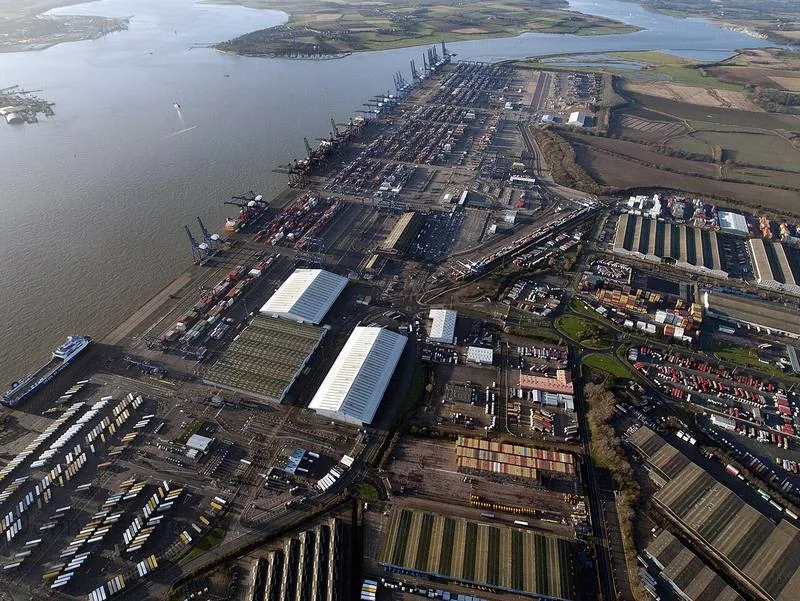 Importers and sellers
 Steel users
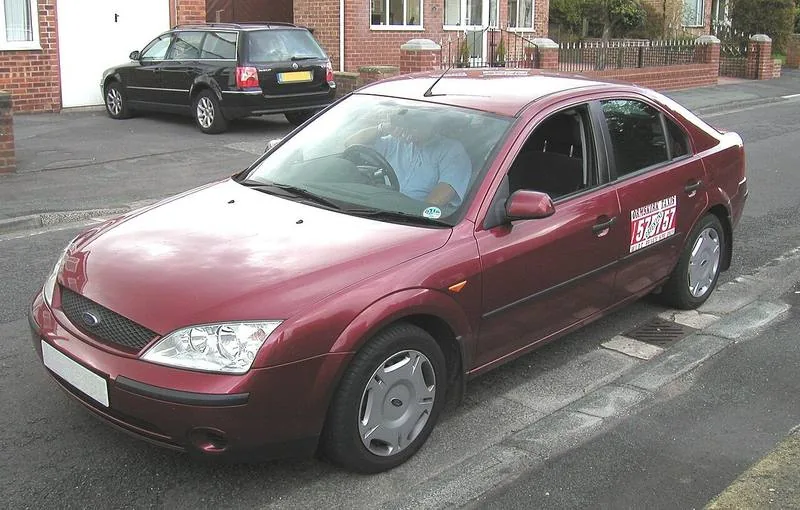 Private hire operators
 Gaming
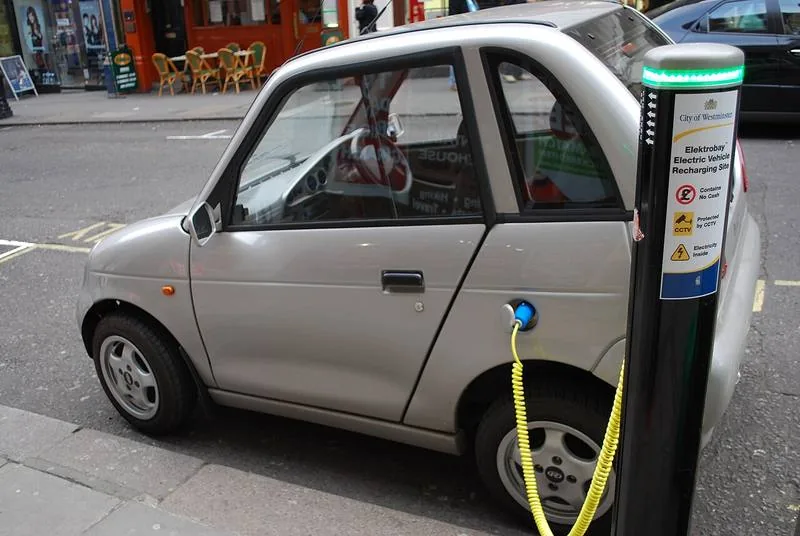 Fleets and drivers
The distributions rewrite: £800m a year by 2029-30
The speech said people taking profits out of their companies would be "taxed consistently", that genuine commercial transactions and families passing businesses down would be protected and that there would be no change to tax on dividends. The documents describe a structural package, prospective from April 2028, with a technical consultation and draft legislation due in 2027:
- Reduction of capital: for buybacks and reorganisations, the capital element is fixed at the amount originally subscribed for the shares. Listed companies are out of scope.
- Purchase of own shares: the conditions become mechanical, with a 5% minimum, exit and resignation conditions and five-year rules. The employee two-year rule is to be relaxed and holders under EMI, CSOP, SIP, SAYE, EIS and SEIS were flagged as affected.
- Non-UK companies: distributions from non-UK resident companies are brought into income tax, while asset managers' co-investment and genuine fund returns keep capital treatment where they have it today.
- A temporary charge on loans or advances from non-UK close companies to participators with material interests (a 5% threshold was floated), charged on the individual.
- Statutory demerger relief liberalised, a stock dividend charge and priority rules for unlawful dividends.
- The Transactions in Securities anti-avoidance rules are to be reformed and possibly brought into Self Assessment.
The rate on dividends is unchanged, unlike the boundary between a taxable distribution and a capital return, which is where owner-managed companies have most room to plan. The consultation drew 67 responses, many of which argued for targeted anti-avoidance rather than mechanical conditions. The Treasury chose the mechanical route. It did drop the proposed new reporting requirement for company payments to participators, "at this time".
Foreign permanent establishments: about £450m to £495m a year
Announced on 21 May 2026 and not in the speech, for accounting periods beginning on or after 1 January 2027, the foreign permanent establishment exemption becomes mandatory instead of elective and the loss clawback rules are replaced by a transitional restriction on carrying losses forward. A purpose-based anti-avoidance rule applies to arrangements made on or after 13 July 2026 and further rules stop the change being delayed by shortening accounting periods. The effect is that start-up losses on overseas branches no longer reduce UK tax, so the cost of expanding abroad through a branch rises for UK companies.
VAT scope: £840m a year by 2029-30
Four VAT measures raise £840m in 2029-30, two of which were in the speech.
- Online marketplaces (from 1 October 2027, £270m): marketplaces must collect and remit VAT on business-to-consumer sales by UK sellers. It covers all VAT-registered traders and unregistered traders above £90,000 on a platform and excludes second-hand goods, business-to-business and consumer-to-consumer sales. The costing allows for sellers absorbing the VAT, cutting sales or registering.
- Private hire operators (from 2 January 2028, £395m): operators with fare turnover over £50m become liable for VAT on the full fare.
- Cross-border services (from 1 April 2027, £75m, not in the speech): overseas suppliers must charge UK VAT on services sold to UK businesses that are not VAT-registered, which cannot normally recover it. The reverse charge continues where the customer is registered.
- Medical deputies (from 1 May 2027, £85m to £105m, not in the speech): the VAT treatment of temporary medical staffing is restored to what the Treasury calls its previously intended position.
Other business tax lines
| Measure | Detail | Effective | £m |
|---|---|---|---|
| Company car tax | 2030-31 appropriate percentages set one point above 2029-30 in every band, capped at 40% | 6 Apr 2030 | 310 (2030-31) 345 (2031-32) |
| Low value imports | £135 customs duty relief removed and new customs arrangements | Oct 2028 | 215 (2028-29) |
| Electricity Generator Levy | Rate raised from 45% to 55% | To 31 Mar 2028 | 60 (2026-27) 35 (2027-28) |
| Steel tariff | Rate and quotas changed | 1 Jul 2026 | 85 to 120 a year |
| Advance Corporation Tax | Abolished, extinguishing surplus ACT balances | 1 Apr 2031 | 5 (2030-31) 15 (2031-32) |
| Oil and Gas Revenue Levy | Permanent 35% levy on exceptional revenues once the Energy Profits Levy ends | After 1 Apr 2030, or earlier if the price mechanism triggers | Not costed |
| Business rates anti-avoidance | General anti-avoidance rule for England after a design consultation; local authority legal costs reimbursed in unsuccessful cases | Rule as soon as possible; costs from Apr 2027 | Not costed |
| Excise wrongdoing penalty | Civil penalty for deliberate evasion before an excise duty point arises | Royal Assent to Finance Bill 2026-27 | Not costed |
| Point of sale systems | Mandatory software standards to tackle sales suppression; technical consultation summer 2027 | After consultation | Not costed |
5Under the radar: wealthy individuals, families and foreign capital
The net widens, several trust and pension routes close immediately and sovereign investors move to a new regime. Founders' Relief is narrower than the headline.
HMRC's wealthy compliance plan
HMRC published a wealthy compliance plan with a foreword by James Murray. It defines the wealthy population as people with income over £200,000 or assets over £2m in any of the last three years. That group has grown from about 700,000 in 2021-22 to 1.3m in 2025-26 although, in HMRC's words, the criteria have not changed. It paid £160bn in 2025-26 and the estimated wealthy tax gap is £3.6bn in 2024-25, about 6% of the total tax gap. In summer 2026, HMRC identified more than 200 billionaires with a UK tax footprint and gave each a Customer Compliance Manager and an offer of a voluntary discussion.
The criteria are unchanged in cash terms, so rising asset values and frozen income bands move more households into a category that attracts closer attention. Anyone whose company stake or home takes assets above £2m is in the population, which HMRC itself describes as broad and varied. The plan follows a National Audit Office report in May 2026.
Founders' Relief: test eligibility and see the saving
Tick each condition that is met. Illustrative only, based on the conditions in the consultation. Not advice.
Two of these three growth and research tests must also be met:
A founder with £10m of qualifying gains would pay £1m at 10% instead of £2.4m at 24%, but few will qualify. The £10m limit is reduced by any Business Asset Disposal Relief or Investors' Relief claims made from 6 April 2027. HMRC expects about 600 individuals and 400 companies a year to benefit. The technical consultation closes on 30 November 2026.
Measures aimed at individuals and families
| Measure | Detail | Effective | £m |
|---|---|---|---|
| Trust liabilities and Inheritance Tax | Deduction of liabilities relating to trust property restricted and aligned with personal liabilities; anti-avoidance strengthened | Deaths and chargeable events from 28 Oct 2026 | Not in Table 6.1 |
| Pensions and Inheritance Tax | Pension funds enter the estate (already legislated); technical amendments made | 6 Apr 2027 | Not in Table 6.1 |
| Excess lump sum death benefits | Tax assessed on the individual beneficiary at their marginal rate; the sources reviewed describe effect from 6 April 2024 | Finance Bill 2026-27 | Not in Table 6.1 |
| Two-year rule for death benefits | Removed, so late payments of tax-free benefits are no longer taxable on timing alone (a relief) | 28 Oct 2026 | Cost of 5 to 15 a year |
| Trusts leaving the UK | Capital Gains Tax exit charge eased for temporarily migrating trusts (a relief) | 28 Oct 2026 | Not in Table 6.1 |
| Protected cell companies | Capital Gains Tax avoidance route closed; treatment of capital sums for surrender of rights clarified | 28 Oct 2026 | Not in Table 6.1 |
| High Value Council Tax Surcharge | Properties over £2m in England; deferral scheme, discounts and exemptions confirmed; 100% premium on homes empty for 12 months or more | April 2028 | Cost of 5 to 50 a year |
| Annual Tax on Enveloped Dwellings | Charges up 3.5% in line with CPI | 2027-28 charging period | Existing law |
| Air Passenger Duty | Higher rate extended to all private jets of 5.7 tonnes or more | 1 Apr 2027 | Not in Table 6.1 |
| Stamp Duty Land Tax | Group relief clawback tightened when a purchaser leaves a group and the vendor company has been wound up | 29 Oct 2026 | Not in Table 6.1 |
| Securities Transfer Tax | Replaces Stamp Duty and Stamp Duty Reserve Tax with one self-assessed tax; about 100,000 stamp duty and 1bn reserve tax transactions a year | Late 2027 | Cost of 15 to 30 a year |
| Real estate information exchange | New international automatic exchange of property information | Effective Jan 2029; first exchanges Jan 2030 | 20 (2029-30) 55 to 65 after |
| Offshore penalties | Consultation on reform of the penalty framework | Later in 2026 | Not costed |
| ISA manager compliance | HMRC can suspend non-compliant managers; points-based penalties | 6 Apr 2028 | Not in Table 6.1 |
Three changes from section 2 apply on top of these. Property and savings income each rise by a further two points to 24%, 44% and 49% from 6 April 2027 and the Business Asset Disposal Relief limit halves to £500,000. Income tax and National Insurance thresholds stay frozen until April 2031. Dividends are untouched on rate, which is the point the Chancellor stressed, but see section 4 on how distributions are defined.
Foreign capital and cross-border structures
From 1 January 2029 foreign sovereign investors move to a new statutory regime that brings certain UK real estate income and gains into direct UK tax. Investment management activities and gains of state-operated overseas pension funds are exempt. A bespoke real estate investment trust route offers a 15% rate on property income distributions and there will be rebasing and time-limited Stamp Duty Land Tax relief. The Treasury costs it at £110m in 2027-28 rising to £690m in 2029-30.
The speech described it as modernisation and said the UK would remain "one of the most generous regimes in the world". Sovereign funds are a source of long-term capital for UK property and infrastructure, so the design of the real estate route will determine whether the yield holds.
One measure runs the other way. From early 2028 UK investors in US limited liability companies, S-Corporations, Jersey LLCs and French SCIs can elect credit-based relief that taxes distributions at dividend rates with credit for foreign tax. HMRC noted effective rates sometimes above 75% under the current rules. It costs £5m to £10m a year.

6The administrative squeeze: collection, data and powers
No headline rate changes, but cash comes forward, discretion narrows and HMRC's access to data widens.
None of these measures changes a headline rate, but together they converge on 2029, which is also the first full year of the new compliance yield and the year the OBR tests the fiscal rule. That makes this the part of the forecast most exposed to a shortfall and most likely to prompt further measures if it disappoints.
| Measure | Detail | Effective | £m in 2029-30 |
|---|---|---|---|
| Self Assessment in-year payments | Automated payments towards the current-year bill, based on a forecast of the previous year's liability, for taxpayers who meet the existing payments on account criteria (forecast liability over £1,000 and under 80% collected at source); a PAYE route is available | 2029-30 | 1,355 (1,815 by 2031-32) |
| Direct Debit mandate for VAT and PAYE | Mandate required so unpaid return balances are collected; other payment methods allowed up to a cut-off | 1 Apr 2029 for VAT; 6 Apr 2029 for PAYE | 165, then 5 a year |
| Bank account recovery | Power to recover lower-value debts by instalments from the accounts of individuals and companies who can afford to pay but repeatedly fail; Code of Practice first | From July 2029 | 50 (320 by 2031-32) |
| Debt management investment | More capacity to collect overdue debt | Phased | 75 (575 by 2031-32) |
| Compliance workforce | 670 more compliance officers by 2029-30; £485m over five years | By 2029-30 | 260 |
| Mandatory e-invoicing | VAT invoices in a structured, machine-readable format for business-to-business and business-to-government sales by all VAT-registered businesses; full design by April 2028 | 1 Apr 2029 | 140 |
| Correction of errors | New requirement to correct inaccuracies in returns and documents; Customer Correction Notices | 1 Apr 2028 | Not in Table 6.1 |
| Employment expenses | £2,500 Self Assessment expenses threshold removed so more claims go through PAYE with evidence before relief | 6 Apr 2028 | 70 |
| Information and inspection powers | Civil information notices and the definition of computer records modernised | Royal Assent | Not costed |
| Promoters and serial avoiders | Consultation shortly on promotion and use of avoidance; earlier recovery of liabilities | Consultation shortly | Not costed |
| Larger businesses | Review of persistent non-compliance, including the Special Measures regime | Engagement to follow | Not costed |
| Deliberate defaulters | Publication framework strengthened | Changes in 2027 | Not costed |
Three points stand out
- The Direct Debit mandate is costed at £165m in 2029-30 and £5m a year afterwards. That profile is a one-off acceleration of cash and it removes the few days of informal credit many businesses use around VAT and PAYE due dates.
- The Self Assessment reform is presented as smaller, regular payments, with a PAYE route for those who have enough PAYE income, but it raises working capital needs for owner-managed businesses with uneven income.
- E-invoicing has no static effect on liabilities. Its £140m depends on better records and faster collection, which the costing assumes as a behavioural response.
Some measures ease the load
A 12-month penalty easement for taxpayers joining Making Tax Digital for income tax, a one-year delay to the image rights legislation (now 6 April 2028), payrolling of benefits in kind delayed to April 2027 for company cars and vans and April 2028 for the rest, removal of the R&D Claim Notification Form from 1 April 2027 and the Advance Tax Certainty Service threshold cut from £1bn to £300m of expenditure from 4 November 2026. The proposed new reporting requirement on company payments to participators was shelved for now.
The Treasury also announced a Tax Update in 2027, a consultation on targeted Corporation Tax simplification for business investment, a call for evidence on Corporation Tax administration, an intermediation roadmap for advisers and software providers in spring 2027 and a consultation on collecting property income data from third parties. These are the places to be heard before the rules are fixed.
·The measures in full
Every measure in one list. Filter by who is affected, whether the Treasury costed it, or search by name.
Amounts are Exchequer effects in £m from Table 6.1 unless stated; a positive figure raises revenue and a figure in brackets is a cost. "Not costed" covers lines that Table 6.1 omits, which includes costings under ±£10m.
7The scope for representations
The window to shape the substantive changes stays open until mid-2027.
The Chancellor promised to protect "genuine commercial transactions and families passing their businesses down" while changing the distributions rules. That promise is a test the Treasury has set itself and evidence on how many family and management transactions the mechanical rules would catch is the argument most likely to be heard.
What follows depends on three things
- The OBR's forecast assumes a falling tax gap and stable behaviour on capital taxes, so a shortfall in 2029-30 is more likely to bring further measures than a change of course.
- The Spending Review and 10-Year Plan next year are where the larger decisions sit and the Milburn and Timms welfare reports arrive next month.
- Burnham has ruled out a snap election within 12 months, so the government has time to legislate the structural changes through Finance Bill 2026-27 before political attention returns.
Calendar
Dates are as published. Entries marked approximate carry a month or year rather than a day.
8Notes
This is a communications and policy briefing, not tax or legal advice.
- Figures are as published on 28 October 2026 at 13:30, but the Treasury can correct documents later.
- Table 6.1 omits tax and annually managed expenditure costings under ±£10m in every year. "Not in Table 6.1" therefore does not mean no effect and several trust, pension and anti-avoidance changes sit below that threshold.
- The published speech transcript contains redactions marked [REDACTED POLITICAL CONTENT]. The speech measures in section 2 rely on the transcript plus the Budget document and Table 6.1.
- This review covers the speech, Table 6.1, the policy costings, the HMRC overview of tax legislation and rates, the OBR forecast, the distributional analysis and the key HMRC sub-documents (distributions, Founders' Relief, foreign permanent establishments, reverse hybrids, Securities Transfer Tax and wealthy compliance).
- Some readings are interpretations and should be checked against draft clauses: how the reduction of capital rule works in practice, the 6 April 2024 effect for excess lump sum death benefits, the split between timing and behaviour in the Self Assessment costing and the grouping of tax lines by who bears them in section 3.
- The compliance line in Table 6.1 is a package. The OBR describes its compliance, administration and debt package as £3.6bn by 2031-32, which includes the online marketplace measure shown separately in Table 6.1. The package has not been reconciled to the individual costings line by line.
- Political commentary is drawn from newsletters, LBC, ITV and Investment Week.
·Sources and image credits
Official documents as at 28 October 2026, with links and licence details for every photograph.
Core Budget documents (HM Treasury)
- Budget 2026 speech (HM Treasury)
- Budget 2026 document, HC 726 (HM Treasury)
- Budget 2026 in full (collection)
- Supporting documents for Budget 2026
- Table 6.1 and 6.2: Budget 2026 policy decisions (xlsx)
- Table 6.4: recostings of earlier measures (xlsx)
- Budget 2026 policy costings (PDF)
- Impact on households: distributional analysis (PDF)
- Budget 2026 data sources (PDF)
Office for Budget Responsibility
HMRC tax information and consultations
- Budget 2026: tax-related documents (HMRC and HM Treasury collection)
- Budget 2026: overview of tax legislation and rates (OOTLAR)
- Modernising the distributions framework (consultation)
- Capital Gains Tax: introduction of a founder relief
- Reform of the foreign permanent establishment exemption
- Securities Transfer Tax: modernisation of the Stamp Taxes on Shares framework
- UK resident individual members of LLCs and other reverse hybrids
- HMRC's approach to wealthy compliance
- Collecting the right tax from wealthy individuals (collection)
- Timely payments in income tax Self Assessment (consultation)
- Requiring payment of VAT and PAYE return liabilities by Direct Debit
- Tackling lower value tax debts (consultation)
- E-invoicing digital reporting (consultation)
- E-invoicing implementation roadmap
- Modernising the correction of errors
- VAT online marketplace liability extension
- Reverse charge on supplies received from abroad
- VAT: removal of the exemption for a deputy for a medical practitioner
Further measure notes
- Increase in the banking surcharge rate for a temporary period
- Income Tax: changes resulting from new savings and property rates
- Machine Games Duty: changing who is liable for the duty (consultation)
- Income Tax: company car tax rates for 2030 to 2032
- Reforming customs rules for low value imports
- Oil and gas taxation: Oil and Gas Revenue Levy
- Inheritance Tax: preventing unintended deductions for liabilities in trust arrangements
- Income Tax: assessing and collecting tax on lump sum death benefits above the allowance
- Income Tax: removing the pensions tax two-year rule
- Capital Gains Tax exit charges for temporarily migrated trusts
- Capital Gains Tax: capital sums received for surrendering rights
- High Value Council Tax Surcharge on residential properties
- Air Passenger Duty and private jets
- Stamp Duty Land Tax: changes to group relief
- Electric Vehicle Excise Duty (eVED)
- Changes to reporting of benefits in kind from April 2027
- Reforming information powers and modernising computer records law
- Publishing details of deliberate defaulters reform
- Modernising Corporation Tax administration (call for evidence)
- Improving property income data reporting (consultation)
- Advance Tax Certainty Service (guidance)
- E-invoicing digital reporting (consultation, closes 20 January 2027)
- VAT treatment of travel services in relation to the Tour Operators' Margin Scheme (call for evidence)
Press and commentary
- ITV News, 20 October
- The Times Politics Budget special, Politico Playbook PM, The Times Business, Bloomberg Readout, FT Lex and the FT City Bulletin, 28 October 2026 (newsletters; no public link).
Image credits
All photographs are openly licensed through Wikimedia Commons and resized. Licences allow reuse with attribution; share-alike licences apply to the images only, not to this briefing.
- Palace of Westminster from Westminster Bridge: ThatsTheBoss, CC0 1.0 (licence), via Wikimedia Commons.
- Downing Street sign: Fernando Losada Rodríguez, CC BY-SA 4.0 (licence), via Wikimedia Commons.
- Bank of England, Threadneedle Street: Doyle of London, CC BY-SA 4.0 (licence), via Wikimedia Commons.
- Government Offices, Horse Guards Road: Stephen Richards, CC BY-SA 2.0 (licence), via Wikimedia Commons.
- Cabot Square, Canary Wharf: Diliff, CC BY-SA 3.0 (licence), via Wikimedia Commons.
- Port Talbot steelworks: Chris Shaw, CC BY-SA 2.0 (licence), via Wikimedia Commons.
- Port of Felixstowe: John Fielding, CC BY-SA 2.0 (licence), via Wikimedia Commons.
- Private hire car: TerriersFan, CC BY 2.5 (licence), via Wikimedia Commons.
- Fruit machines, Teignmouth: Billy Hicks, CC BY-SA 2.5 (licence), via Wikimedia Commons.
- Electric car charging, Westminster: Alan Trotter, CC BY 2.0 (licence), via Wikimedia Commons.
- Victorian terraced housing, Mutley: Ruth Sharville, CC BY-SA 2.0 (licence), via Wikimedia Commons.